Get Hero Discounts on Plumbing Services
Septic System Repair in Melrose, FL: Recognizing Problems Before They Become Emergencies
A backed-up drain at the worst possible moment. A foul smell that lingers near the yard no matter how often you mow. Water pooling in a spot that’s usually dry. For many Melrose homeowners, these frustrating moments are the first real sign that something is wrong with their septic system, and by the time they’re noticeable, the problem has often been building for a while. Septic system repair in Melrose, FL isn’t just about fixing an inconvenience. It’s about protecting your property, your yard, and your family’s daily routine from a much bigger disruption down the road.
At Crown Plumbing and Septic, we’re a family-owned company built on a plumbing and septic tradition that spans generations. We understand that septic problems tend to show up at inconvenient times, and we believe homeowners deserve clear answers, not guesswork, about what’s happening underground and what it will take to fix it.
Common signs a septic system needs repair include slow or gurgling drains throughout the house, sewage odors near the tank or drain field, standing water or unusually lush grass over the septic area, and toilets or drains backing up after flushing or running water. If you’re noticing more than one of these at once, it’s worth having your system evaluated before it turns into a full backup.
Below, we’ll cover the warning signs of a failing septic system, what typically causes backups, how broken septic pipes are repaired, and how slow drains connect back to septic issues. Our goal is to help Melrose homeowners understand their system so they can make informed decisions with confidence.
What Are the Signs That a Septic System Needs Repair?
Septic systems are designed to work quietly in the background, which means most homeowners don’t think about them until something goes wrong. Recognizing the early warning signs can help you avoid a more serious, more disruptive failure. Common signs include:
- Slow drains throughout the house. When multiple fixtures, not just one sink or tub, are draining slowly, it often points to a septic system issue rather than an isolated clog.
- Gurgling sounds in pipes or toilets. This can indicate that air is struggling to move through a system that’s partially blocked or under pressure from a full or failing tank.
- Sewage odors near the tank or drain field. A persistent smell outdoors, particularly near where the tank or drain field is located, is one of the clearest indicators of a septic problem.
- Standing water or soggy ground over the drain field. Excess moisture pooling on the surface, especially during dry weather, often means the drain field isn’t absorbing wastewater properly.
- Unusually green or lush grass over the septic area. Similar to a leaking sewer line, an overperforming drain field area can indicate that wastewater is surfacing where it shouldn’t be.
- Frequent backups despite pumping. If your tank was recently pumped but problems continue, the issue may lie in the drain field, pipes, or another component of the system rather than the tank itself.
If any of these sound familiar, an evaluation by a professional can help determine whether the issue calls for a pump-out, a repair, or a more involved fix. You can learn more about our full range of offerings on our septic system services page.
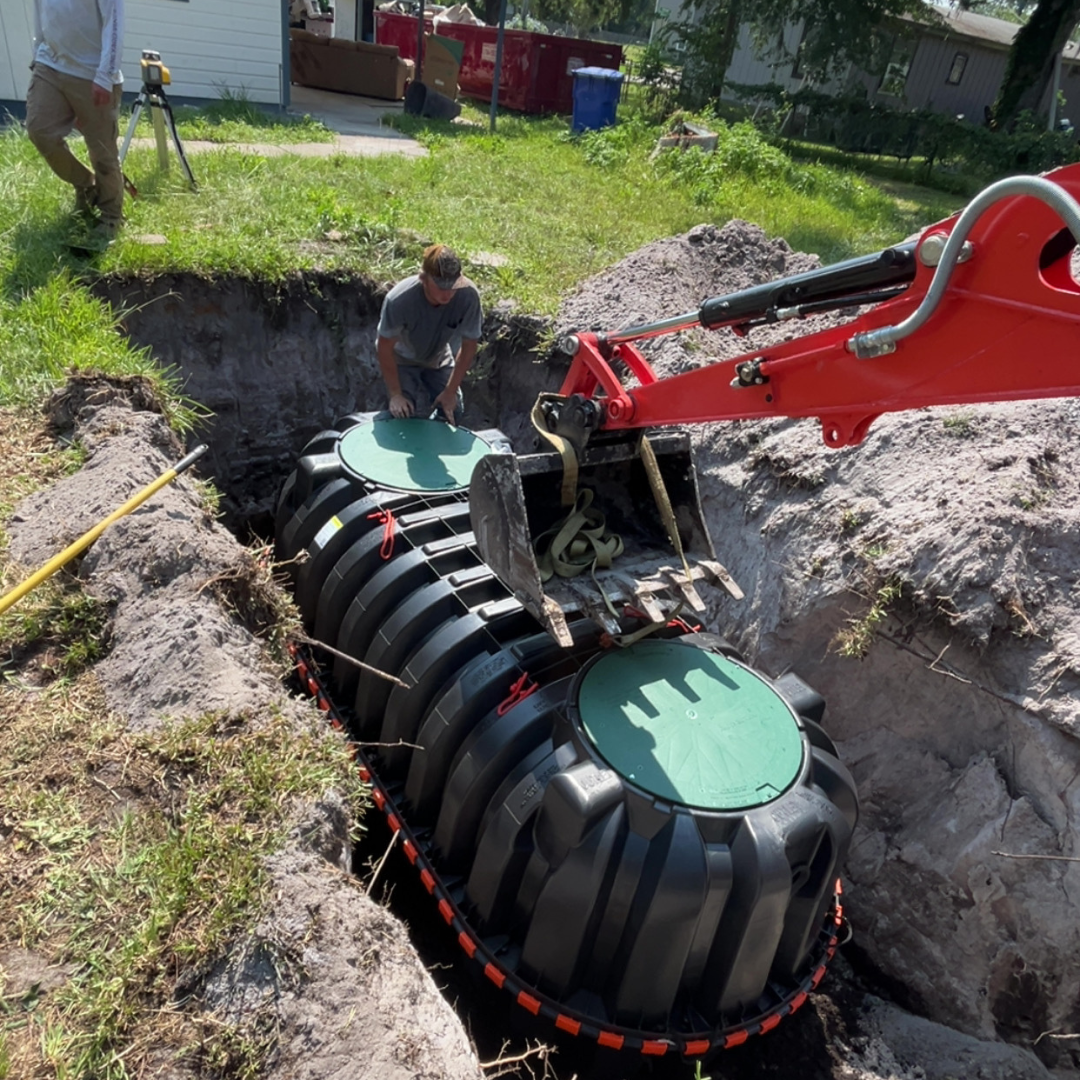
What Causes a Septic System to Back Up?
Septic backups rarely happen without a reason, and understanding the common causes can help homeowners avoid repeat issues. Some of the most frequent culprits include:
- A full or overdue tank. Every septic tank needs to be pumped on a regular schedule. When that maintenance is delayed, solids can build up and eventually cause backups.
- Blocked or damaged pipes. Roots, debris, or structural damage in the pipes connecting the house to the tank can restrict flow and lead to backups inside the home.
- A failing or clogged drain field. Over time, drain fields can become saturated or clogged, especially if the system has been overloaded or improperly maintained.
- Excess water usage. Heavy water use in a short period, such as running multiple loads of laundry back to back, can overwhelm a system that’s already close to capacity.
- Flushing non-flushable items. Wipes, paper towels, grease, and other materials that don’t break down properly can contribute to blockages within the system.
- Tree root intrusion. Roots are naturally drawn to the moisture inside septic pipes and tanks, and over time they can infiltrate and damage components of the system.
Identifying the actual cause is an important first step, since a backup caused by a full tank requires a different solution than one caused by a damaged pipe or a failing drain field.
How Do You Fix a Broken Septic Pipe?
A broken or damaged septic pipe typically requires a few key steps to properly diagnose and repair:
- Inspection and diagnosis. Before any repair begins, the affected pipe needs to be located and evaluated to understand the extent of the damage. This may involve a camera inspection or careful excavation, depending on the situation.
- Determining the repair approach. Depending on the pipe’s condition and material, repair options can range from patching or lining a damaged section to replacing the affected portion of pipe entirely.
- Addressing the underlying cause. If root intrusion, ground shifting, or corrosion caused the break, addressing that root cause helps prevent the same problem from recurring.
- Testing the system after repair. Once the repair is complete, the system should be checked to confirm that wastewater is flowing properly and the issue has been fully resolved.
Attempting to patch a septic pipe without properly diagnosing the underlying cause can lead to the same failure happening again, sometimes in a worse location. This is part of why we prioritize a thorough evaluation before recommending a repair, so the fix actually holds up over time rather than becoming a recurring headache.
How Do You Fix Slow Drains Caused by a Septic System Problem?
Not every slow drain is a simple clog, and when the cause is related to the septic system itself, a plunger or drain snake alone usually won’t solve the underlying issue. Addressing septic-related slow drains typically involves:
- Ruling out a localized clog first. If only one fixture is affected, it may be an isolated blockage rather than a system-wide septic issue.
- Checking tank levels. If the tank is full or nearing capacity, scheduling a pump-out is often the first and most effective step.
- Evaluating the drain field. If pumping doesn’t resolve the slow drains, the drain field may be saturated, clogged, or failing, requiring further evaluation.
- Inspecting connecting pipes. Blockages or damage in the pipes between the house and the tank can also cause slow drainage throughout the home.
- Adjusting water usage habits. In cases where the system is simply overloaded, spacing out heavy water use, such as laundry or dishwasher cycles, can help drains recover while a longer-term solution is planned.
Because slow drains can stem from several different causes, an accurate diagnosis is essential before deciding on a repair plan. Guessing at a fix often means paying for a solution that doesn’t actually address the real problem.
Why Melrose Homeowners Trust Crown Plumbing and Septic for Septic Repairs
As a family company, we approach every septic system repair with the same values that have guided our business since day one:
- We communicate clearly. We explain what we find during an inspection and what it means for your system, in plain language.
- We recommend long-term solutions. If a quick fix is likely to fail again soon, we’ll tell you honestly, even if the better solution requires more explanation.
- We stand behind our work. If something isn’t right after a repair, we make it a priority to return and make it right.
- We treat customers like relationships, not transactions. Many of our customers have relied on us repeatedly over the years, and that trust means everything to how we operate.
Septic repair often overlaps with related services, particularly when a system needs pumping as part of the solution or when a lift station is involved in the property’s wastewater setup. Learn more about our septic tank pumping and lift station maintenance services, or explore our broader plumbing services if your issue may extend beyond the septic system itself.
Our Septic System Repair Process
When you call Crown Plumbing and Septic for a septic concern, here’s what to expect:
- Initial conversation. We start by discussing the symptoms you’ve noticed, so we understand the full picture before arriving.
- On-site evaluation. Our team inspects the tank, pipes, and drain field to identify the actual source of the problem.
- Clear explanation of findings. We explain what we discovered in plain terms, including what’s causing the issue and what it will take to resolve it.
- Recommended repair plan. Depending on what we find, we may recommend pumping, pipe repair, drain field service, or, in cases where the system has reached the end of its lifespan, a conversation about replacement.
- Efficient, professional execution. We complete the repair with care for your property and your time, keeping you informed throughout.
If your system requires a full rebuild or a new installation altogether, our septic system installation team can walk you through that process from start to finish.
Frequently Asked Questions
How often should a septic tank be pumped?
Pumping frequency depends on tank size, household size, and water usage, but regular pumping on a consistent schedule is one of the most effective ways to prevent backups and extend the life of the system.
Can a septic system be repaired without replacing the whole system?
In many cases, yes. Issues like a full tank, a damaged pipe, or a struggling drain field can often be repaired without requiring a complete system replacement, depending on the extent of the damage.
What household habits contribute to septic problems?
Flushing non-flushable items, excessive water use in short periods, and pouring grease or harsh chemicals down drains can all place unnecessary strain on a septic system over time.
How do I know if my problem is the septic tank or the drain field?
A professional evaluation is the most reliable way to tell. Symptoms can overlap, but the underlying cause, and the repair needed, can differ significantly between the two.
Is it normal for a septic system to need repairs over time?
Yes. Like any part of your home’s infrastructure, septic systems require periodic maintenance and occasional repairs, especially as components age or usage patterns change.
Schedule Your Septic System Evaluation in Melrose, FL
If you’re noticing slow drains, unpleasant odors, or standing water near your septic system, don’t wait for a small issue to become a full backup. The team at Crown Plumbing and Septic is ready to evaluate your system, explain exactly what we find, and recommend a repair built to last.
Contact Crown Plumbing and Septic today to schedule your septic system evaluation and take the first step toward a dependable, long-term solution for your Melrose home.