Get Hero Discounts on Plumbing Services
Bathroom Plumbing Services in Melrose, FL: Solving the Problems You Notice Every Day
The bathroom is one of the most-used rooms in any home, which means plumbing problems there tend to make themselves known quickly, whether it is a slow-draining sink, weak shower pressure, or an odor that will not go away no matter how much you clean. At Crown Plumbing and Septic, we provide bathroom plumbing services in Melrose, FL, focused on identifying the real cause of these everyday frustrations and fixing them in a way that lasts.
Common bathroom plumbing issues include slow-draining sinks, sewage odors, low shower water pressure, and leaking pipes under sinks. Most of these problems stem from a handful of causes: hair and debris buildup, venting issues, mineral buildup in fixtures, or worn connections, and nearly all are resolvable with the right diagnosis and repair approach.
Below, we walk through the most common bathroom plumbing questions we hear from Melrose homeowners, along with practical explanations of what is likely happening and what a proper fix typically involves.
Why Melrose, FL Homeowners Trust Crown Plumbing and Septic for Bathroom Plumbing Services
Crown Plumbing and Septic is a family-owned and family-operated company built on a multigenerational plumbing tradition. That background shapes how we approach bathroom plumbing calls: we take the time to properly diagnose the issue, whether it is a simple fixture problem or something more involved, and recommend a solution that will genuinely hold up over time.
Our approach to bathroom plumbing is guided by a few core principles:
- Showing up on schedule and communicating clearly throughout the visit
- Diagnosing the actual source of the problem rather than guessing
- Recommending long-term solutions over quick fixes that tend to resurface
- Standing behind our work and returning to make it right if something is not resolved to your satisfaction
If your bathroom issue turns out to be connected to a larger plumbing concern, our plumbing services team can address the full scope of the project.
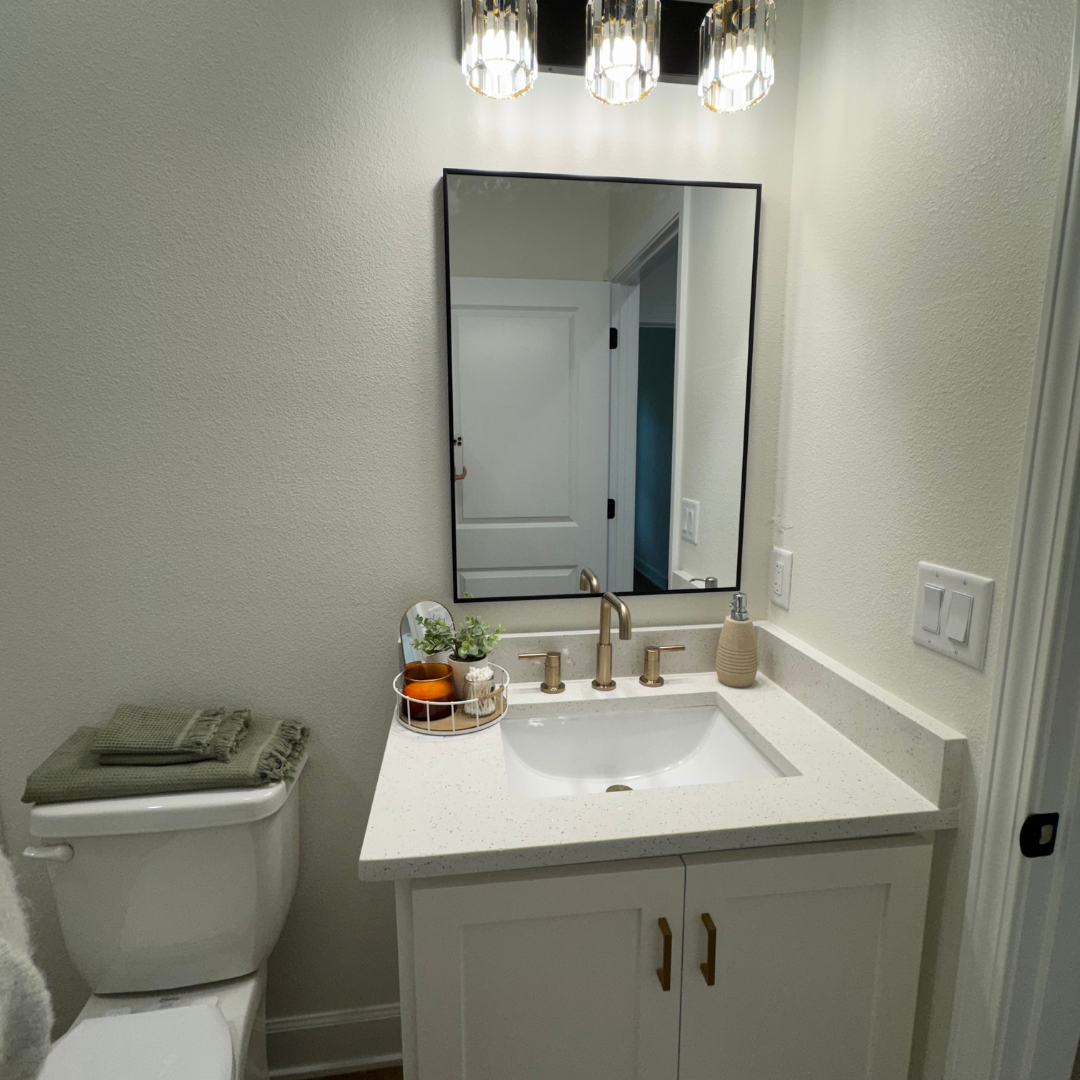
Why Is My Bathroom Sink Draining Slowly?
A slow-draining bathroom sink is one of the most common complaints we hear, and the good news is that it is usually caused by a straightforward, identifiable issue.
Common causes of a slow-draining bathroom sink include:
- Hair and soap buildup – Over time, hair combines with soap residue to form clogs that gradually restrict water flow through the drain and P-trap.
- Mineral buildup – In areas with hard water, mineral deposits can accumulate inside the drain pipe, narrowing the passage over time.
- A partially clogged P-trap – The curved section of pipe beneath the sink is designed to trap debris, but it can become partially blocked if not cleaned periodically.
- Venting issues – Bathroom plumbing relies on a venting system to allow air to properly displace water as it drains. A blocked or improperly installed vent can cause slow drainage even without a physical clog.
- Buildup further down the line – In some cases, the issue is not isolated to the sink itself but reflects buildup further along the drain line shared with other fixtures.
If a plunger or basic cleaning does not resolve the slow drain, it is worth having the issue properly diagnosed rather than repeatedly treating the symptom.
Why Does My Bathroom Smell Like Sewage?
A persistent sewage odor in the bathroom is more than just unpleasant. It is often a sign of an underlying plumbing issue that should not be ignored.
Common causes of bathroom sewage odors include:
- A dry P-trap – Every drain has a P-trap designed to hold a small amount of water, which creates a barrier that blocks sewer gas from entering the home. If a drain is used infrequently, the water in the trap can evaporate, allowing odors to rise up through the drain.
- A damaged or improperly sealed toilet wax ring – The wax ring that seals the base of the toilet to the floor can deteriorate over time, allowing sewer gas to escape around the toilet base.
- Venting problems – A blocked, damaged, or improperly installed vent stack can prevent sewer gases from properly venting outside, causing them to be pulled back into the home instead.
- A clogged or damaged drain line – Blockages or damage further down the line can cause gases to back up toward fixtures.
- A cracked drain pipe – A crack in a drain pipe located behind a wall or under the floor can allow sewer gas to escape into the surrounding space.
Because sewage odors can stem from several different sources, a proper inspection is the most reliable way to identify the actual cause rather than masking the smell without resolving the underlying issue.
How Do You Fix Low Water Pressure in a Shower?
Weak shower pressure is a frustrating problem, especially when it develops gradually and becomes the new normal before you realize how much it has changed. The right fix depends on identifying the actual cause.
Common causes and solutions for low shower water pressure include:
- Clogged showerhead – Mineral deposits can build up inside a showerhead over time, restricting water flow. Cleaning or replacing the showerhead often resolves this quickly.
- Partially closed shutoff valve – Sometimes a valve controlling water flow to the bathroom is not fully open, which can happen after repairs or renovations elsewhere in the home.
- Pipe scale or corrosion – In older homes, mineral buildup or corrosion inside supply pipes can restrict flow throughout the plumbing system, not just at the showerhead.
- A failing pressure-balancing valve – Many modern shower systems include a valve that regulates water pressure and temperature. If this component wears out, it can cause reduced or inconsistent pressure.
- Leaks elsewhere in the system – A leak in the supply line can reduce the pressure available at the shower, particularly if the leak is significant.
- Municipal water pressure issues – Occasionally, low pressure is not isolated to your home’s plumbing at all, but reflects broader pressure levels from the water supply.
Because several of these causes require inspecting pipe condition, valve function, or system-wide pressure, a professional evaluation is often the most reliable way to pinpoint the actual issue rather than guessing based on symptoms alone.
How Do You Fix a Leaking Pipe Under a Bathroom Sink?
A leak under the sink is one of the more visible plumbing problems homeowners encounter, since the evidence, pooling water or a damp cabinet floor, is hard to miss. Addressing it properly starts with identifying exactly where the leak is coming from.
Common sources of leaks under a bathroom sink include:
- Loose or worn supply line connections – The flexible lines connecting the shutoff valves to the faucet can loosen over time or develop worn washers that allow water to seep out.
- A deteriorated P-trap – The curved pipe beneath the sink can develop cracks or loose fittings, particularly in older plumbing.
- A failing drain flange or seal – The connection between the sink basin and the drain pipe can wear out, allowing water to leak at that joint.
- Corroded shutoff valves – Older valves can corrode internally, leading to leaks even when the valve appears closed.
- Overtightened or damaged fittings – Ironically, overtightening a connection during a previous repair can sometimes cause cracking that leads to a leak.
Once the source is identified, the appropriate fix might involve tightening or replacing a fitting, resealing a connection, or replacing a worn component altogether. Because a leak that is only partially addressed often continues causing damage to the cabinet, flooring, or surrounding structure, it is worth having it properly diagnosed and resolved rather than relying on a temporary patch.
Common Bathroom Fixtures We Service
Bathroom plumbing issues often center around a handful of key fixtures, each with their own common problems and repair needs:
- Toilets – From running toilets to clogs and leaks at the base, toilet issues are among the most frequent bathroom plumbing calls we receive. Learn more about our toilet repair services.
- Showers – Whether it is low pressure, a leaking valve, or a shower that needs a full update, our shower repair and shower installation services cover both fixing what is broken and upgrading what is outdated.
- Bathtubs – Cracks, leaks, and worn fittings are common issues we address as part of our bathtub repair service.
- Sinks and faucets – From slow drains to leaking supply lines, sink issues are a regular part of bathroom plumbing maintenance.
Signs You Should Not Ignore
Some bathroom plumbing issues are more urgent than others. It is worth scheduling service promptly if you notice:
- A persistent sewage odor that does not resolve after running water through infrequently used drains
- Water pooling around the base of a toilet or under a sink
- A steady drop in water pressure across multiple fixtures
- Discoloration or soft spots on the bathroom floor or ceiling below
- A toilet that rocks slightly when you sit down, which can indicate a failing wax seal or subfloor damage
Catching these issues early typically means a simpler, less disruptive repair than waiting until the problem worsens.
Frequently Asked Questions About Bathroom Plumbing
How often should bathroom drains be cleaned to prevent slow drainage?
This depends on household usage, but periodic cleaning, especially in high-use bathrooms, can help prevent hair and soap buildup from becoming a significant clog.
Can a sewage smell in the bathroom be dangerous?
Persistent sewer gas exposure is not something to ignore. If you notice a consistent sewage odor, it is worth having the source identified and addressed rather than relying on air fresheners to mask it.
Is low shower pressure always a plumbing problem?
Not always. In some cases, it reflects broader municipal water pressure rather than an issue specific to your home. A professional evaluation can help determine which is the case.
Do I need to shut off my water if I notice a leak under my sink?
If the leak is active and steady, shutting off the water supply valve under the sink, if accessible, can help limit damage until a professional can assess and repair the issue.
Can bathroom plumbing issues be connected to problems elsewhere in the house?
Sometimes, particularly with venting or main drain line issues that affect multiple fixtures throughout the home. This is one reason a full evaluation can be more helpful than treating each symptom in isolation.
Schedule Your Bathroom Plumbing Service in Melrose, FL Today
Bathroom plumbing problems tend to disrupt daily life quickly, and most do not improve on their own. Whether you are dealing with a slow drain, a lingering odor, weak shower pressure, or a leak under the sink, Crown Plumbing and Septic is ready to diagnose the issue and provide a lasting solution.
As a family-owned company, we treat every bathroom the way we would want our own family’s bathroom handled: with clear communication, dependable workmanship, and a genuine commitment to getting it right. Reach out to our team today to schedule your bathroom plumbing service and get your daily routine back to normal.
Contact Crown Plumbing and Septic or call 352-246-6476 to schedule your bathroom plumbing service in Melrose, FL.