Get Hero Discounts on Plumbing Services
Water Testing Services in Melrose, FL: Knowing What Is Actually in Your Water
Water can look perfectly clear and still carry contaminants, bacteria, or mineral content that affects your health, your plumbing, and your peace of mind. Guessing is not a strategy when it comes to something your household relies on every single day. At Crown Plumbing and Septic, we provide water testing services in Melrose, FL, so you can move from assumptions to actual answers about what is in your water and what, if anything, needs to be addressed.
Water testing services identify specific contaminants or characteristics in your water supply, such as lead, bacteria, hardness minerals, or water pressure issues, through targeted professional testing. Getting your water tested typically involves scheduling a sample collection with a qualified provider, and results are generally available within a defined timeframe depending on the type of test performed.
Below, we walk through how to get your water tested, what to expect from the process, and the signs that suggest testing should be a priority rather than something to put off.
Why Melrose, FL Homeowners Trust Crown Plumbing and Septic for Water Testing Services
Crown Plumbing and Septic is a family-owned and family-operated company built on a multigenerational plumbing tradition. That background shapes how we approach water testing: we believe homeowners deserve clear, honest answers about their water quality, not vague reassurances or unnecessary upselling.
Our approach to water testing is guided by a few core principles:
- Showing up on schedule and communicating clearly throughout the process
- Testing for the specific concerns relevant to your situation, rather than a generic one-size-fits-all approach
- Explaining results in plain language so you understand what they actually mean
- Recommending next steps honestly, based on what the results show, not on what is easiest to sell
If water testing reveals a need for further plumbing work, our plumbing services team can address whatever comes next.
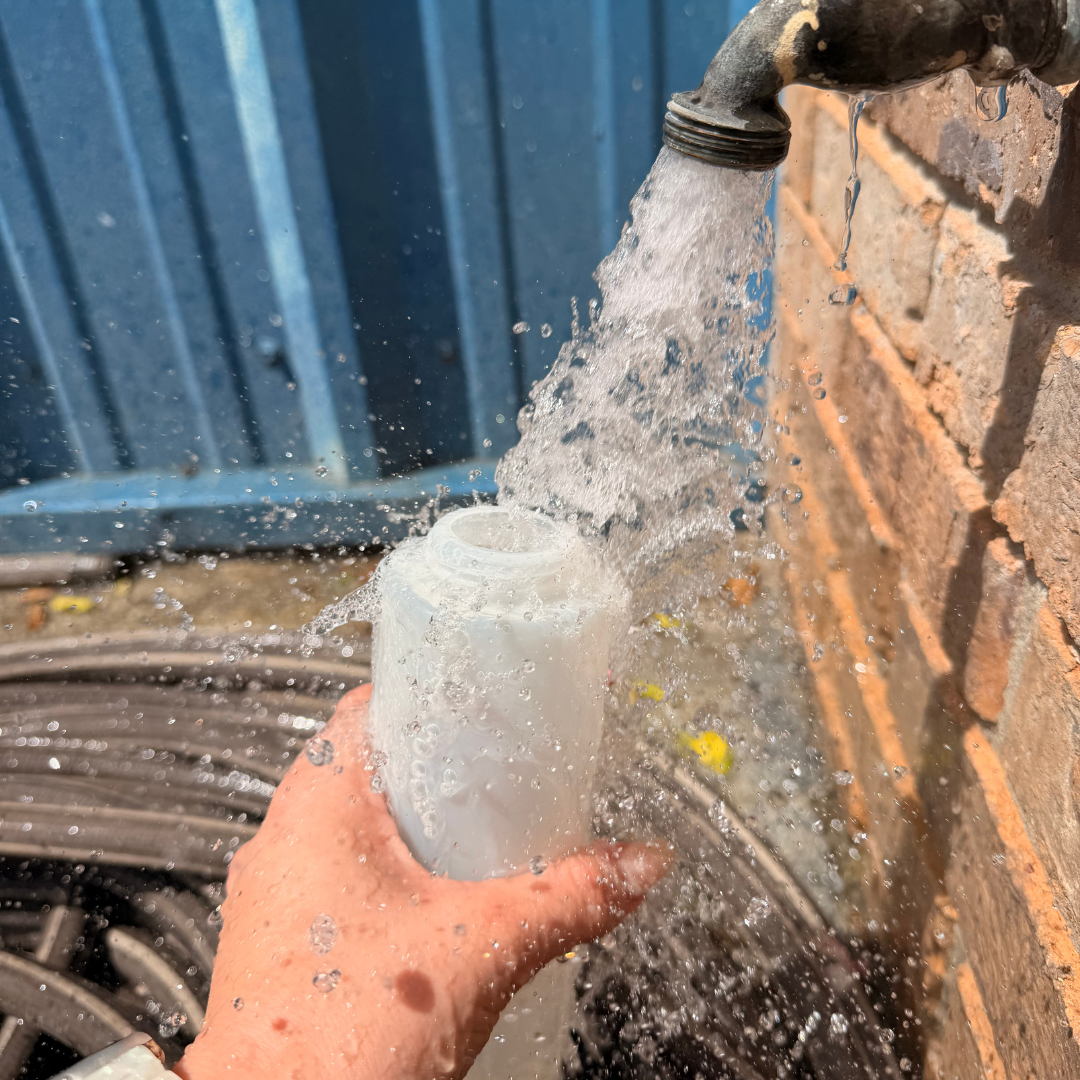
How Do I Get My Water Tested?
Getting your water professionally tested is a more straightforward process than many homeowners expect, though the exact steps can vary depending on what you are testing for.
General steps for getting your water tested:
- Identify your specific concern – Whether you are worried about lead, bacteria, hardness, or water pressure issues, identifying the concern helps determine which test or tests are appropriate.
- Schedule a professional sample collection – A qualified provider collects water samples using proper technique and equipment to ensure accurate, uncontaminated results.
- Samples are sent for analysis – Depending on the type of test, samples may be analyzed on-site or sent to a certified laboratory for detailed evaluation.
- Review your results with a professional – Once results are available, a knowledgeable provider can help you understand what they mean and whether any action is needed.
- Discuss next steps if needed – If testing reveals a concern, this is the point where treatment options, such as filtration or water softening, can be discussed based on the specific results.
Working with a professional provider rather than relying solely on a self-administered test helps ensure the sample is collected correctly and the results are interpreted accurately.
What Are Signs That My Water Needs to Be Tested?
While some water quality issues are only detectable through testing, several observable signs can indicate it is time to have your water evaluated.
Common signs that suggest water testing is worth pursuing include:
- Unusual taste or odor – A metallic, sulfur, or chlorine-like taste or smell can indicate a range of issues worth identifying specifically.
- Discoloration – Brown, yellow, or cloudy water can point to sediment, rust, or other contaminants.
- Visible mineral buildup – Scale on fixtures, appliances, or glassware is a sign of hard water, though testing can confirm the exact hardness level.
- Recent changes to your water source – If you recently moved into a home with well water, or there have been changes to the municipal water supply in your area, testing provides a clear baseline.
- Skin or hair irritation – Some homeowners notice skin dryness or irritation that improves when away from home, which can sometimes be linked to water quality.
- A home with older plumbing – Homes with older pipes, particularly those that may contain lead solder or fixtures, benefit from testing to rule out lead contamination.
- No recent testing history – Even without obvious symptoms, periodic testing, especially for well water, is a reasonable precaution since some contaminants have no noticeable taste, odor, or appearance.
If any of these apply to your household, it is worth having your water professionally evaluated rather than waiting for a more serious issue to develop.
How Long Does It Take to Get Water Test Results?
Turnaround time for water test results depends on the type of testing being performed and whether it requires laboratory analysis or can be assessed on-site.
General expectations for common types of water testing:
- On-site testing, such as certain water pressure or basic hardness assessments, can often provide immediate or same-day results.
- Bacteria testing typically requires laboratory analysis, since bacterial cultures need time to develop and be properly evaluated, which generally takes several days.
- Lead testing also typically requires laboratory analysis for accurate results, with turnaround time varying depending on the specific lab and testing method used.
- Comprehensive water quality testing, which may screen for multiple contaminants at once, generally takes longer than a single-parameter test due to the more extensive analysis involved.
We will always give you a realistic expectation for turnaround time based on the specific tests being performed, so you know what to expect rather than being left wondering.
How Accurate Are At-Home Water Testing Kits vs. Professional Testing?
This is an important question for homeowners deciding between a do-it-yourself approach and professional testing, and the honest answer is that each has a different role to play.
Considerations when comparing at-home kits to professional testing:
- At-home kits are useful for basic screening – Simple test strips can give a general sense of certain water characteristics, such as approximate hardness or pH, and can be a helpful first indicator.
- At-home kits have limitations in precision – Many at-home kits are designed for general screening rather than precise measurement, and results can be affected by user error, storage conditions, or test strip quality.
- Professional testing offers greater accuracy for specific contaminants – For concerns like lead or bacteria, professional collection methods and laboratory analysis provide a level of accuracy and reliability that at-home kits generally cannot match.
- Professional testing follows proper sampling protocols – Certain contaminants, particularly lead, require specific sampling techniques to produce accurate results, which is difficult to replicate with a basic at-home kit.
- Interpretation matters – Professional testing typically comes with expert interpretation of results, helping you understand not just the numbers but what they actually mean for your household.
For a general sense of water hardness, an at-home kit can be a reasonable starting point. For anything involving health-related concerns, such as lead or bacteria, professional testing is the more reliable and appropriate choice.
Types of Water Testing We Offer
Different water quality concerns call for different types of testing. Depending on your situation, one or more of the following may be appropriate:
- Water quality testing – A broader evaluation of your water’s overall characteristics, helpful for establishing a general picture of what your water contains. Learn more about our water quality testing services.
- Lead testing – Especially important for homes with older plumbing systems that may contain lead solder, pipes, or fixtures. Our lead testing service is designed to give homeowners clear, accurate answers about this specific concern.
- Bacteria testing – Particularly relevant for well water sources, which are not subject to the same treatment and monitoring as municipal water systems. Our bacteria testing service helps identify potential contamination.
- Water pressure testing – While not related to contamination, water pressure testing helps identify plumbing issues that may be affecting how water flows throughout your home. Our water pressure testing service can help pinpoint the cause of pressure-related concerns.
What Happens After You Get Your Water Tested
Once your results are available, the appropriate next step depends entirely on what the testing reveals. In some cases, results confirm that your water quality is within normal expectations and no action is needed. In others, results may point toward a specific solution, such as filtration, water softening, or plumbing repairs if the source of a contaminant is traced back to aging pipes or fixtures. We will always walk you through your results honestly and explain what, if anything, we recommend based on the specific findings, not a generic sales pitch.
Frequently Asked Questions About Water Testing Services
Should I test my water even if it looks and tastes normal?
Yes, particularly for well water or homes with older plumbing. Some contaminants, including lead and certain bacteria, have no noticeable taste, odor, or appearance, which is why testing provides more reliable information than observation alone.
How often should water testing be repeated?
This depends on your water source and any changes to your household’s water system. Well water is generally recommended for more frequent periodic testing, while municipal water testing is often prompted by a specific concern or change.
Can water testing identify the source of a contaminant, not just its presence?
In many cases, yes, especially when combined with an inspection of your home’s plumbing system. Identifying the source is important for determining the right long-term solution.
Do I need to prepare my home before a water test?
This can vary depending on the specific test being performed. We will always let you know what, if anything, is needed to ensure an accurate sample.
What should I do if my results show a contaminant of concern?
We will walk you through what the results mean and discuss appropriate next steps, which may include filtration, treatment, or plumbing repairs depending on the specific finding.
Schedule Your Water Testing Service in Melrose, FL Today
Understanding what is actually in your water is the first step toward addressing any concerns with confidence rather than guesswork. Crown Plumbing and Septic is ready to test your water, explain your results clearly, and recommend an honest path forward based on what we find.
As a family-owned company, we treat every water testing request the way we would want our own family’s water evaluated: with careful attention, clear communication, and straightforward answers. Reach out to our team today to schedule your water testing service and get real answers about your water quality.
Contact Crown Plumbing and Septic or call 352-246-6476 to schedule your water testing service in Melrose, FL.