Get Hero Discounts on Plumbing Services
- Home
- St. Augustine, FL
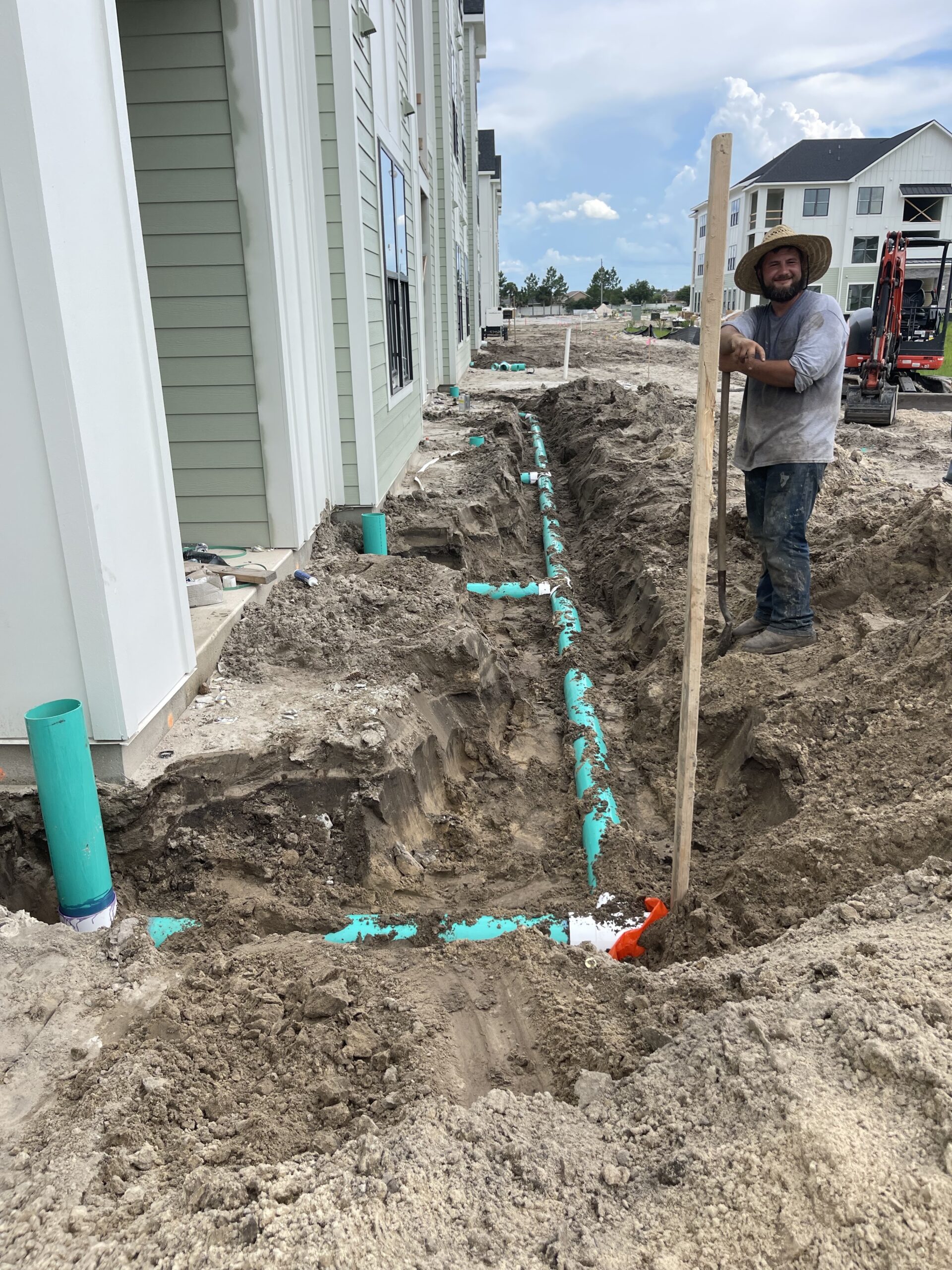
Not every plumbing issue requires a professional, but knowing the difference between a minor fix and a symptom of a bigger problem can save you from turning a small repair into a major one.
The general rule we share with customers is simple: if the fix is isolated, visible, and doesn’t involve water lines behind walls or under slabs, it may be reasonable to attempt yourself. If it’s recurring, spreading, or connected to a larger system, that’s when it makes sense to have a professional take a look before it becomes a bigger repair. Our plumbing services team handles everything from minor repairs to more involved diagnostic work.
This is one of the most common questions homeowners ask us, and it matters because water heater failures rarely happen at a convenient time.
Typical Lifespan
Gas vs. Electric Operation
Both gas and electric water heaters have trade-offs worth understanding:
Warning signs that a water heater may need replacing rather than repair include inconsistent temperatures, rumbling or popping noises from sediment buildup, visible rust or corrosion around the tank, and water pooling near the base of the unit. If you’re noticing any of these, it’s worth having the system evaluated before it fails without warning. Our water heater evaluations help homeowners understand exactly where their system stands.
St. Augustine’s history as one of the oldest cities in the country means a number of homes here were built decades ago, often with plumbing materials and layouts that don’t hold up the same way modern systems do. Low water pressure in older homes is typically traced back to one of a few causes.
Mineral Buildup Inside Pipes
Over years of use, mineral deposits from hard water can accumulate inside pipe walls, gradually narrowing the interior diameter and restricting flow. This tends to happen slowly, which is why homeowners often notice pressure loss as a gradual change rather than a sudden one.
Aging Pipe Materials
Older homes may still have original piping made from materials that were standard decades ago but are now prone to corrosion and internal scaling. As these pipes age, reduced flow and eventual leaks become more likely.
Hidden Leaks
A leak anywhere in the system, even a small one, can reduce the pressure available at your fixtures. Leaks in older homes are sometimes located behind walls or under slabs, which makes professional diagnosis important rather than guessing at the cause.
Municipal Supply or Connection Issues
In some cases, pressure issues originate outside the home entirely, at the connection point to the municipal water supply, particularly in older neighborhoods with aging infrastructure.
When pressure problems are tied to the home’s own piping rather than an external supply issue, a full evaluation can determine whether targeted repairs are enough or whether a broader re-pipe makes more sense for the long term. This is especially relevant for residential customers in the historic parts of the city, where original plumbing may still be in place. Our residential plumbing services cover exactly this kind of diagnostic and repair work.
Yes. While many areas within the city of St. Augustine are connected to municipal sewer service, septic systems remain common throughout St. Johns County, particularly in more rural and unincorporated areas outside the city center.
A few things worth knowing if your property relies on a septic system:
Because septic and plumbing systems in these properties work together, we take both into account when diagnosing an issue, rather than assuming a plumbing problem is isolated from the septic system, or vice versa.
Plenty of companies can show up for a service call. What separates a plumber worth calling again is what happens during and after the work itself.
This is the approach we bring to every job, from everyday repairs to more involved projects like drain installation and shower repair. Whether it’s a historic home with original plumbing or a newer build, our goal is the same: identify the actual cause, explain it clearly, and fix it in a way that holds up.
Pump-out frequency depends on tank size, household size, and usage, so it’s best determined on a per-property basis rather than a fixed schedule.
Sometimes. It depends on whether the cause is isolated to a specific section or reflects widespread aging throughout the system. A professional evaluation is the only reliable way to know.
Many older homes with original plumbing materials do eventually need re-piping as those materials age and corrode, though timing varies by property.
Yes. Our team handles plumbing work for both septic-reliant properties and homes connected to municipal sewer service throughout the area.
Contact a professional for an evaluation rather than guessing at the source. Leaks behind walls or under slabs require proper diagnosis to avoid unnecessary repair work.
Between historic homes, aging infrastructure, and a mix of septic and municipal systems throughout St. Johns County, plumbing issues here aren’t always straightforward. At Crown Plumbing and Septic, we take the time to diagnose the actual cause, explain what we find, and recommend solutions built to last, not just patch the problem for now.
If you’re dealing with low water pressure, a water heater on its way out, or anything involving your septic system, reach out to our team today. We’re ready to show up, communicate clearly, and take care of it right the first time.